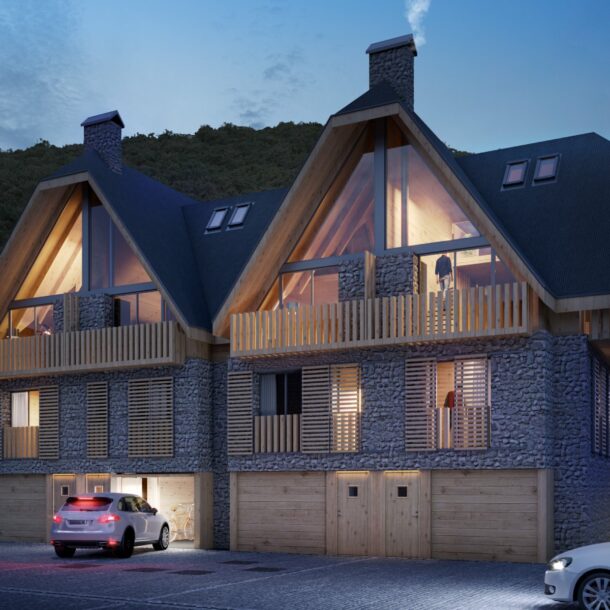

Increasingly, urban planning needs to implement efficiency and sustainability, and the use of technologies based on BIM (Building Information Modeling) becomes a vital component to achieve these objectives. As urbanization continues to grow, harnessing the power of BIM will be critical to creating smarter, more resilient and more sustainable cities for the future: parametric model-based work goes beyond traditional 2D drawings by creating a 3D model that incorporates valuable data and information about every aspect of a given infrastructure.
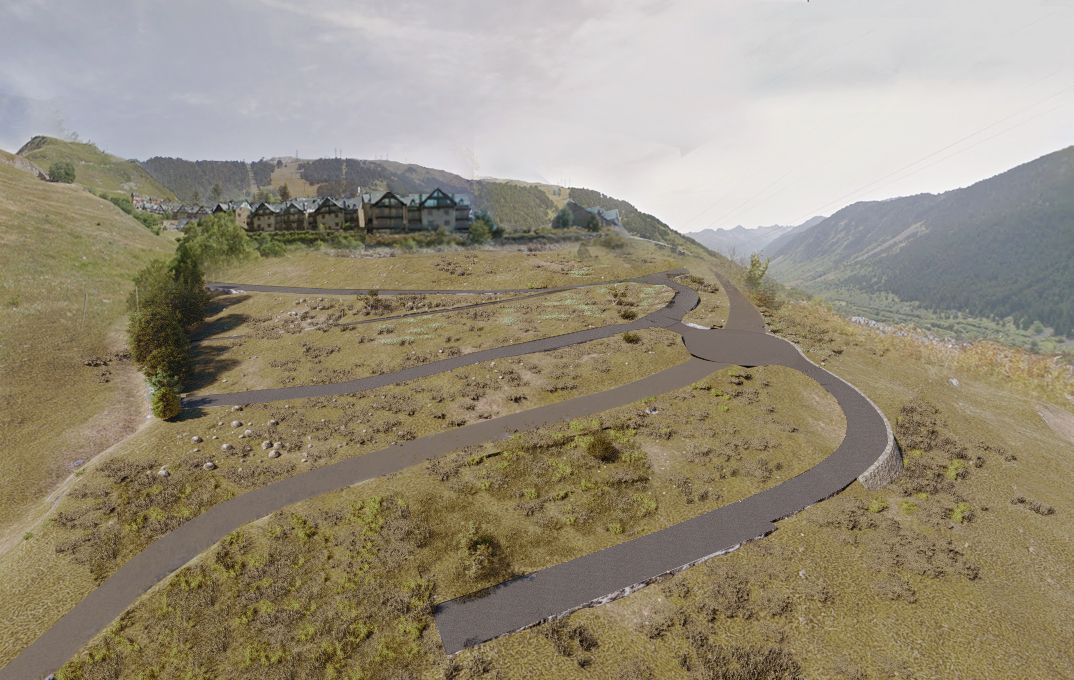
At Pampols Arquitectura, as experts in urban planning, we have long championed the implementation of BIM methodologies in our urban designs. This allows us to conduct planning based on a detailed digital model—encompassing existing infrastructure and public utilities within any urban development, as well as the loads and flows of transport networks and data related to future growth—by leveraging a combination of tools such as Revit, Civil 3D, and AutoCAD Map 3D. This data-driven approach enables more accurate forecasting, improved risk assessment, and efficient resource allocation. It also facilitates the analysis of future scenarios and the development of model-based maintenance projections for urban elements, while simultaneously helping to optimize energy efficiency, reduce waste, and design infrastructure that minimizes environmental impact.
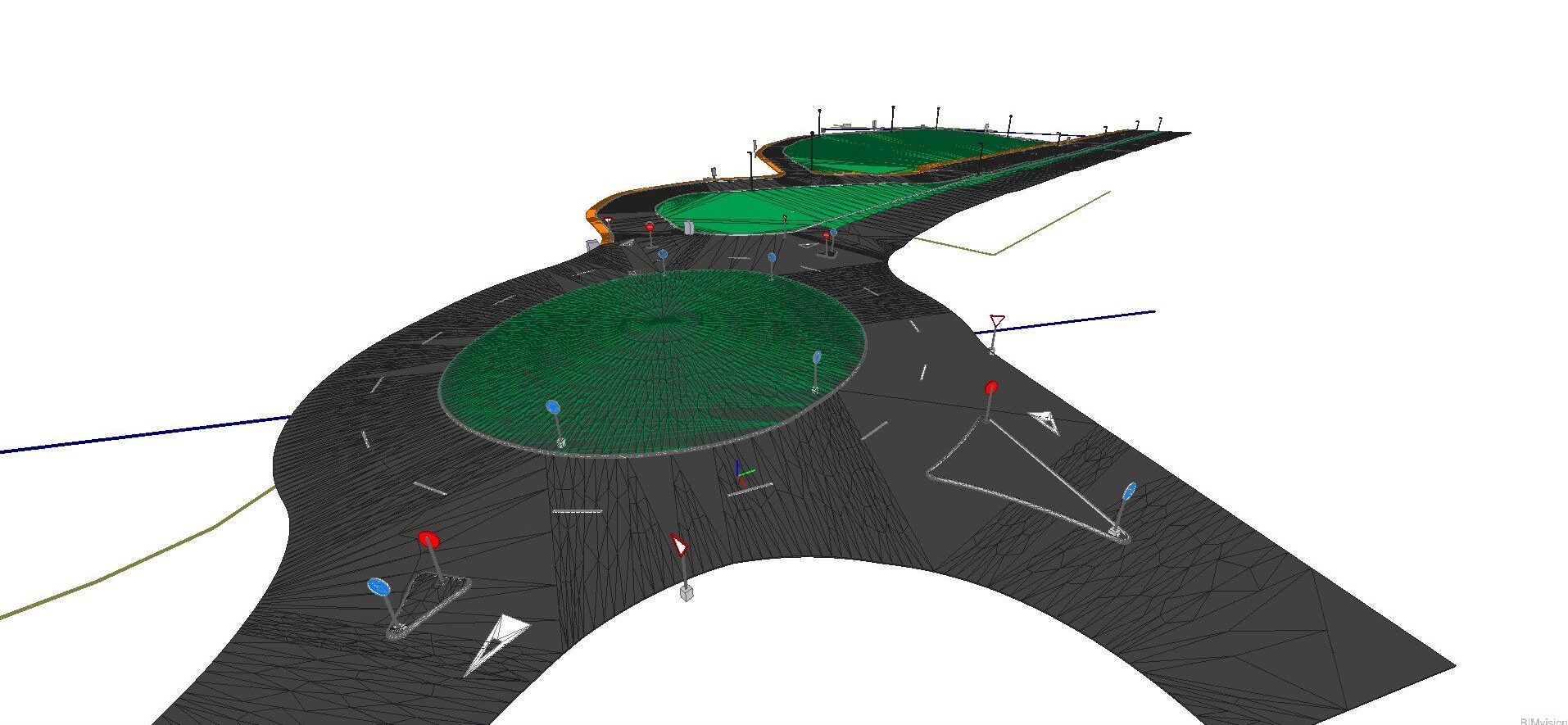
In urban planning, data is the driving force behind informed decision-making. The use of BIM models not only allows for design adjustments and data collection during the construction phase, but also enables the continued gathering of information throughout the entire lifecycle of the infrastructure. This data is highly valuable to urban managers, as it facilitates model-based decision-making regarding maintenance, upgrades, and future developments—all made possible by the flow of data associated with the model.
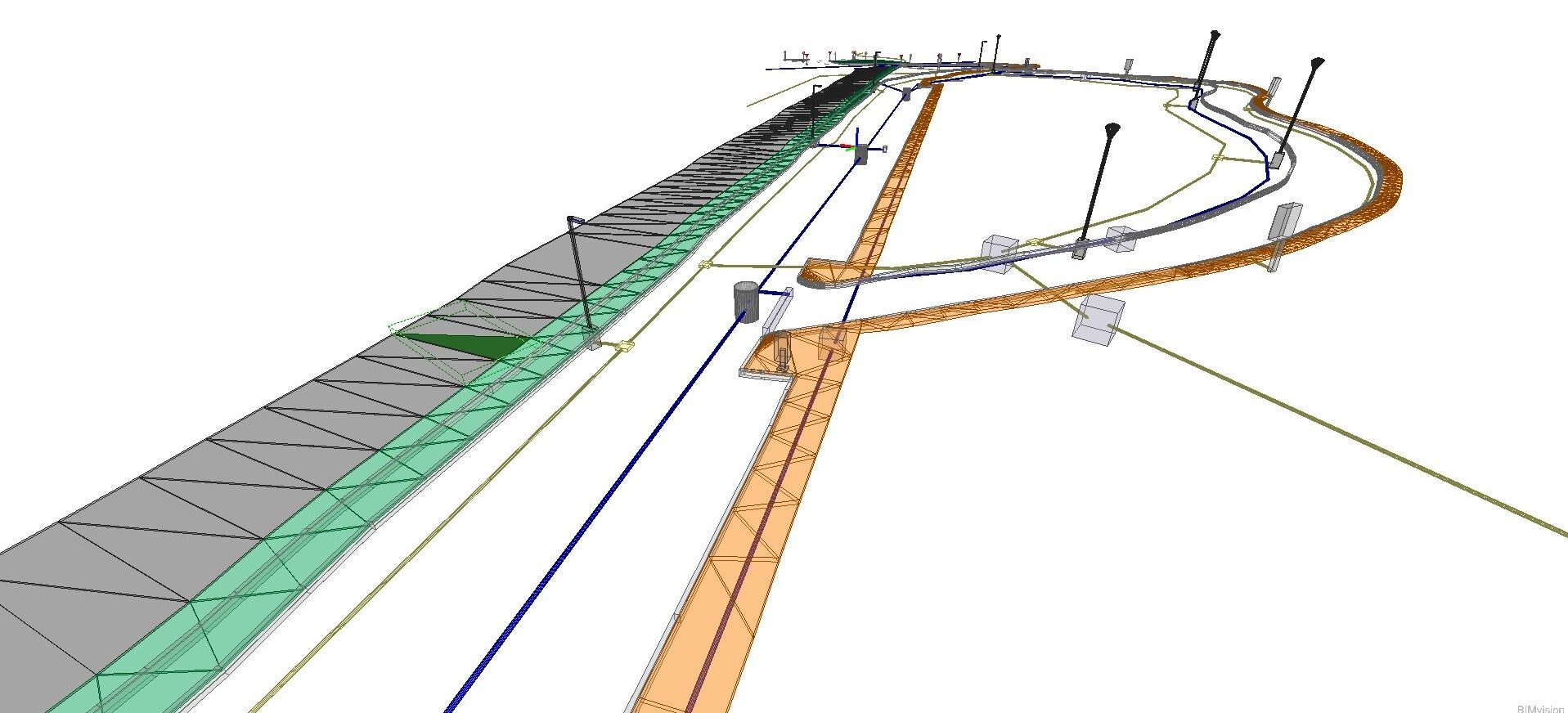
While the use of BIM models offers clear potential for urban management and the “Smart City,” its implementation remains limited—perhaps because there are still challenges to overcome. These include concerns regarding data privacy and usage, the costs associated with implementing BIM technology, and the need for standardized protocols.
Nevertheless, as technology advances, more cities are recognizing this value, and the future looks promising. With the integration of artificial intelligence, the Internet of Things (IoT), and real-time data analysis, the role of BIM in shaping smart cities will undoubtedly become more significant in the near term.
And we will be ready to continue adding value to the process of building our environments.
